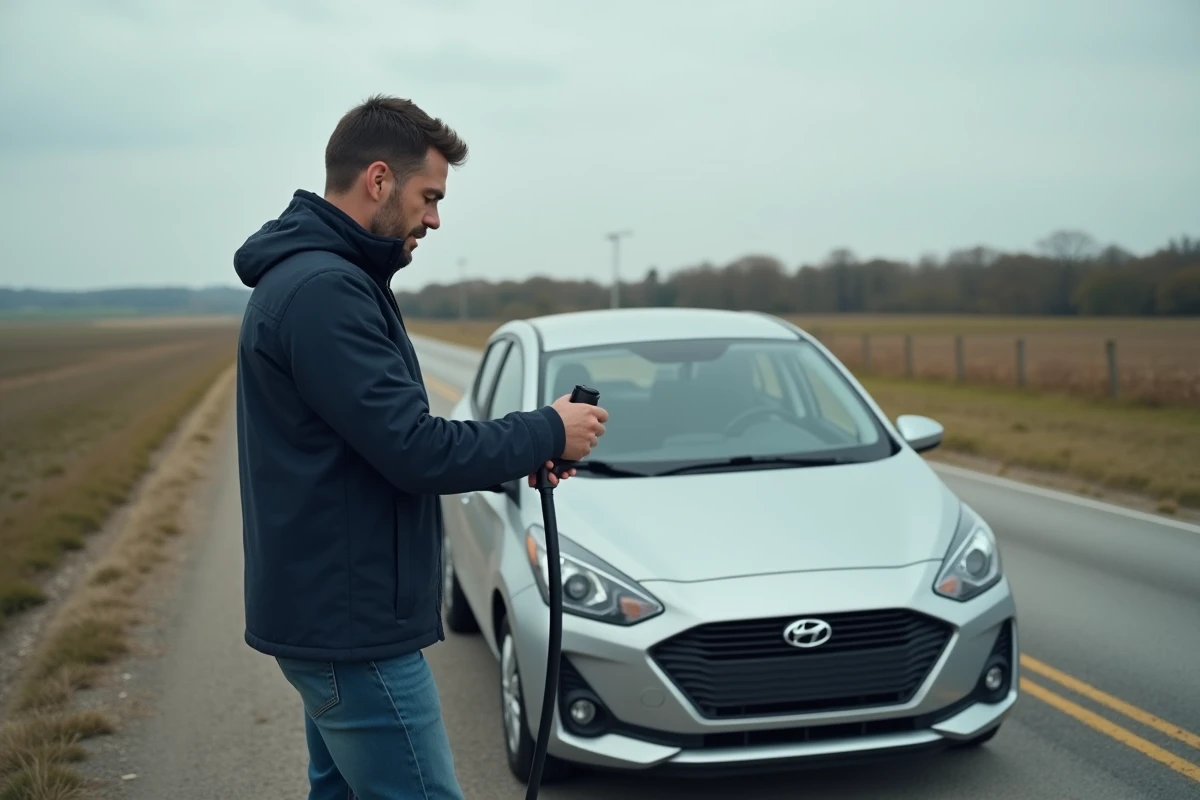
On the Clio 2, the reserve is not just a simple comfort margin. It marks the transition into an uncertain zone, where every kilometer counts and improvisation can be costly.
Expect around six liters of fuel available once the warning light is activated on this model. This generally translates to between 60 and 90 kilometers to cover, depending on driving style and the road. But this is just an estimate: speed, traffic, a loaded car, or the condition of the engine can quickly alter the actual range. It’s best to keep in mind that no reserve allows for certainties.
What the fuel reserve of the Clio 2 reveals: figures and factors to know
When the fuel reserve light comes on, there is often between 5 and 7 liters left, varying from one version of the Clio 2 to another. At first glance, this would equate to a residual range of 60 to 90 kilometers. But the reality is much more nuanced: your driving habits, the environment, and the condition of the vehicle play a significant role.
To better understand what influences this range, several parameters need to be examined:
- Fuel consumption: depending on whether the car has a 1.2, 1.4, or 1.6 petrol engine, consumption ranges between 5.5 and 7 liters per 100 kilometers.
- Load and journey conditions: a fully loaded car, urban traffic, or long highway trips significantly alter the distance achievable with the remaining reserve.
- Maintenance: under-inflated tires, a clogged air filter, or any neglected detail increases the amount of fuel consumed to cover even the shortest distance.
The Renault manual is clear: the reserve should never be an excuse to delay refueling. It’s a warning signal, not a promise. For those who want to delve deeper into this point, useful details are compiled on Clio 2 fuel reserve range, where real figures and practical tips intersect to avoid unpleasant surprises. Driving too low therefore requires increased attention and encourages a daily adjustment of habits.
What risks are there in driving on reserve and how to limit them in everyday life?
When the fuel gauge approaches the critical point, the dangers do not stop at the remaining distance to cover. Continuing on reserve exposes the fuel pump to running dry, which prematurely wears it out, sometimes leading to failure. This key component relies on contact with fuel for lubrication and cooling; over time, this can affect the entire system.
A dry run, even brief, can immobilize the vehicle anywhere, far from the nearest station. Beyond the inconvenience, driving with little fuel increases the risk of sucking up accumulated deposits in the tank. The result: a clogged fuel system, a filter that needs changing, or ultimately, an expensive repair.
To preserve its mechanics, a few reflexes are essential. As soon as the reserve light comes on, it’s better to anticipate and plan for a fill-up without delay. Regular maintenance, tire pressure checks, filter condition, and monitoring consumption help limit hard hits. If the sound of the pump changes, or if the car seems to be drawing more than usual, obtaining a diagnosis quickly can prevent more serious damage. Staying attentive to fuel management gives you a margin and allows for a more relaxed drive in the Clio 2.

With the reserve, every kilometer becomes a test of clarity. Missing the next station sometimes means stopping before the finish line. For those who know how to anticipate, the road remains open, right up to the last meter.