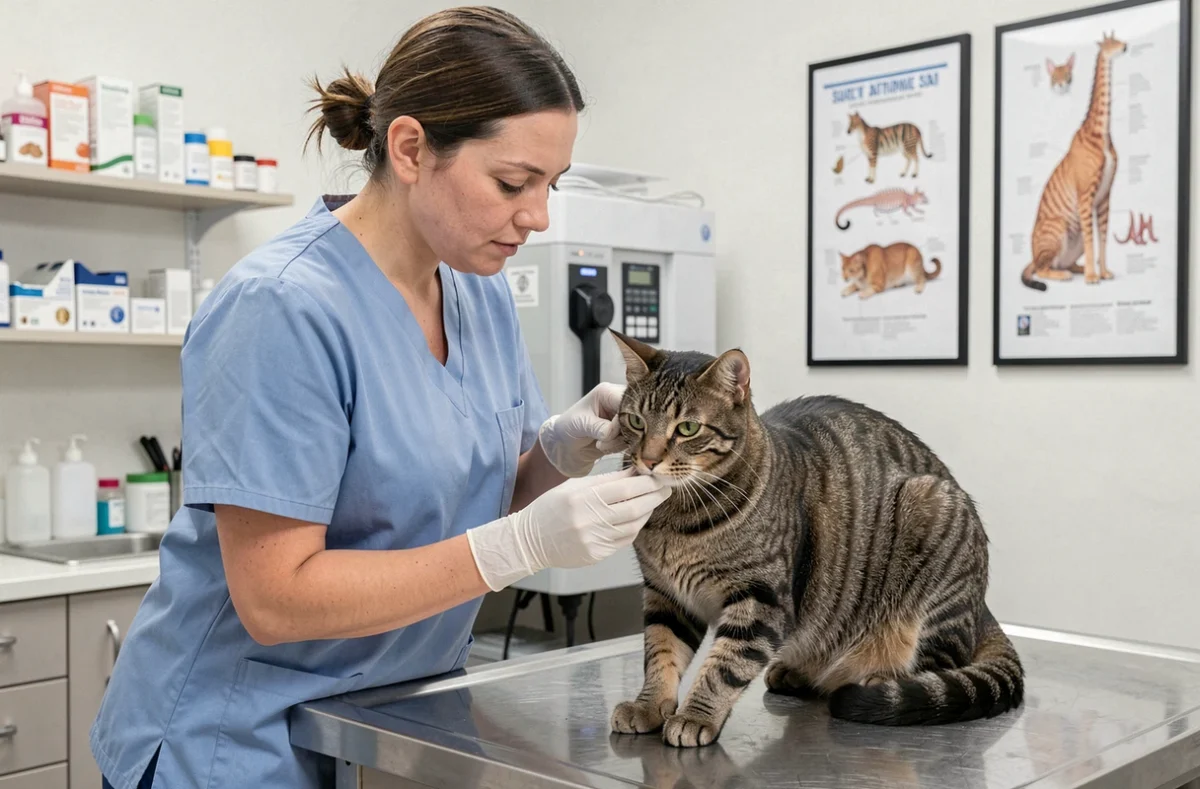
The invoice for a feline sterilization often surprises pet owners. Between the price quoted by a neighbor and the one displayed by the local veterinary clinic, the differences can range from simple to double. This price, far from being arbitrary, reflects a series of technical items, most of which remain invisible on the estimate when it is summarized as “sterilization”.
What the invoice for cat sterilization really covers
The cost of sterilization does not cover a single action, but a chain of medical procedures. General anesthesia, perioperative monitoring, sterile single-use materials, pain relief medications, and postoperative follow-up are all distinct line items.
For females, the operation is more expensive than for males. An ovariectomy (removal of the ovaries) does not require the same amount of time in the operating room or the same level of follow-up as an ovariohysterectomy, which also includes the removal of the uterus. The type of surgery chosen significantly alters the final price, and the estimate should specify the procedure performed rather than just indicating “sterilization”.
For males, castration remains quicker and less invasive, which explains a generally lower price. Field reports vary on this point depending on the clinics, as some charge a flat fee that automatically includes the pre-anesthetic blood test, while others do not.
You will also find useful information on X Anima that details each of these items and their weight in the overall invoice.
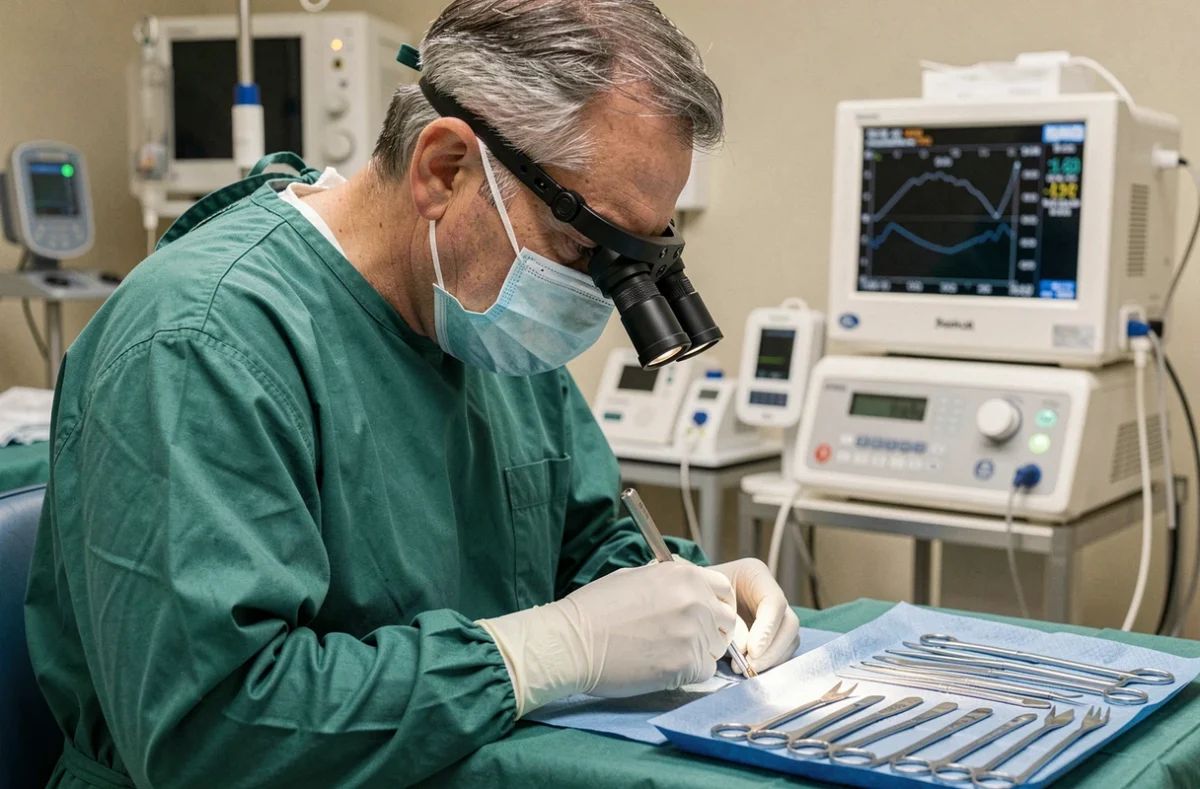
Pre-anesthetic assessment and identification: items discovered at the time of the estimate
Two billing items regularly come up and surprise owners who had not anticipated them.
The pre-anesthetic assessment
A prior clinical examination is almost systematic. For some animals, especially older cats or those with a medical history, blood tests evaluating liver and kidney function may be added. This assessment is not mandatory for all profiles, but it secures the anesthesia. It represents a variable item that explains part of the discrepancies between two estimates for the same procedure.
Electronic identification
The law requires the identification of the cat by the age of seven months at the latest, or before any transfer. When the microchip is implanted and registered in the I-CAD file during the anesthesia of the sterilization, identification increases the invoice but avoids a second restraint and a second anesthesia. Some clinics include this cost in a package, while others charge it separately, making direct comparison between estimates difficult without reading the details.
Free veterinary fees: why prices vary from one clinic to another
Veterinary fees are freely set in France. No national scale caps or plans the price of castration or ovariectomy. This pricing freedom leads to significant discrepancies based on several factors.
- Geographical location: the rent of a clinic in the city center of a metropolis is nothing like that of a rural practice, and this extra cost is passed on to the procedures.
- Level of equipment: cardiac monitoring, pulse oximetry, laparoscopic equipment, all of which are investments that weigh on the cost structure.
- Staff involved: a sterilization requires at least one veterinarian and one veterinary technician, sometimes two technicians for monitoring the animal during recovery.
- Sterile single-use consumables: sutures, surgical drapes, gloves, compresses, the prices of which have increased in recent years.
Sterilizing a female cat is more expensive than castrating a male in almost all clinics, because the procedure is longer, more invasive, and requires more equipment.
Chemical sterilization: a cheaper but temporary alternative
Chemical sterilization relies on hormonal treatment, usually through regular injections. Its unit cost is lower than that of surgery. However, chemical sterilization is temporary and does not eliminate the risk of reproduction.
This method is also not highly recommended due to sometimes serious side effects, particularly an increased risk of mammary tumors in females. In the long term, the cumulative cost of injections can exceed that of a single surgical intervention, without providing the same health benefits.
The available data do not allow for precise comparison of the total cost over the animal’s lifetime, as protocols vary between clinics and the molecules used. The veterinarian remains the only contact capable of estimating this option on a case-by-case basis.
Financial support and assistance for feline sterilization
Several levers exist to reduce the out-of-pocket expenses for owners.
- Pet health insurance: some contracts reimburse part of the sterilization costs, provided that the procedure is explicitly included in the subscribed guarantees. The reimbursement rate varies significantly from one insurer to another.
- Association campaigns: organizations like the SPA or local structures occasionally organize sterilization operations at reduced prices, in partnership with volunteer veterinarians.
- Municipal programs: some municipalities fund the sterilization of stray cats, particularly as part of feline population management programs.
Checking the specific coverage conditions before the procedure remains the best way to avoid unpleasant surprises. A simple call to the insurer or the town hall is usually enough to clarify what is covered.
The cost of sterilization, relative to the average lifespan of a cat, represents a modest fraction of the annual budget allocated to the animal. By comparison, the costs associated with a uterine infection or mammary tumor, conditions whose risk significantly decreases after sterilization, result in much higher bills. Anticipating this expense also helps limit future veterinary costs.