
Agritourism is no longer limited to Sunday farm visits. Since 2023, a wave of French farms has been offering outdoor activities integrated into their agricultural practices, ranging from hedge planting to walks through wooded paths. This movement, documented by the Ministry of Agriculture in its report “Agritourism and Diversification of Agricultural Income” from November 2023, redefines the boundary between nature leisure and agricultural work.
Regenerative Agritourism: Farm Tours That Go Beyond Simple Visits
The trend of regenerative agritourism is based on one principle: the visitor participates in concrete actions for ecological restoration. Planting cover crops, creating ponds, installing flower strips along field edges. These workshops differ from traditional educational farms because they produce a measurable agronomic result.
Further reading : Stay informed: discover the latest news and trends in France
We observe that the farms offering these tours attract a different audience than traditional outdoor leisure activities. Participants seek direct contact with the soil, not a sporting activity. The Ministry of Agriculture’s report confirms a notable increase in grant requests related to outdoor leisure activities at farms.
The structures listed on Loisiragri allow for quick identification of farms that combine public reception and regenerative practices, a filter that general directories do not provide.
See also : The latest car trends to absolutely discover in 2024
The Climate and Resilience Law of August 2021, through its local regulatory adaptations, conditions certain public supports for peri-urban farms on occasional public openings. This framework has accelerated the creation of nature workshops in farms that had never considered hosting.
Nature Walks in Agricultural Settings: What Wooded Paths Change for Mental Health
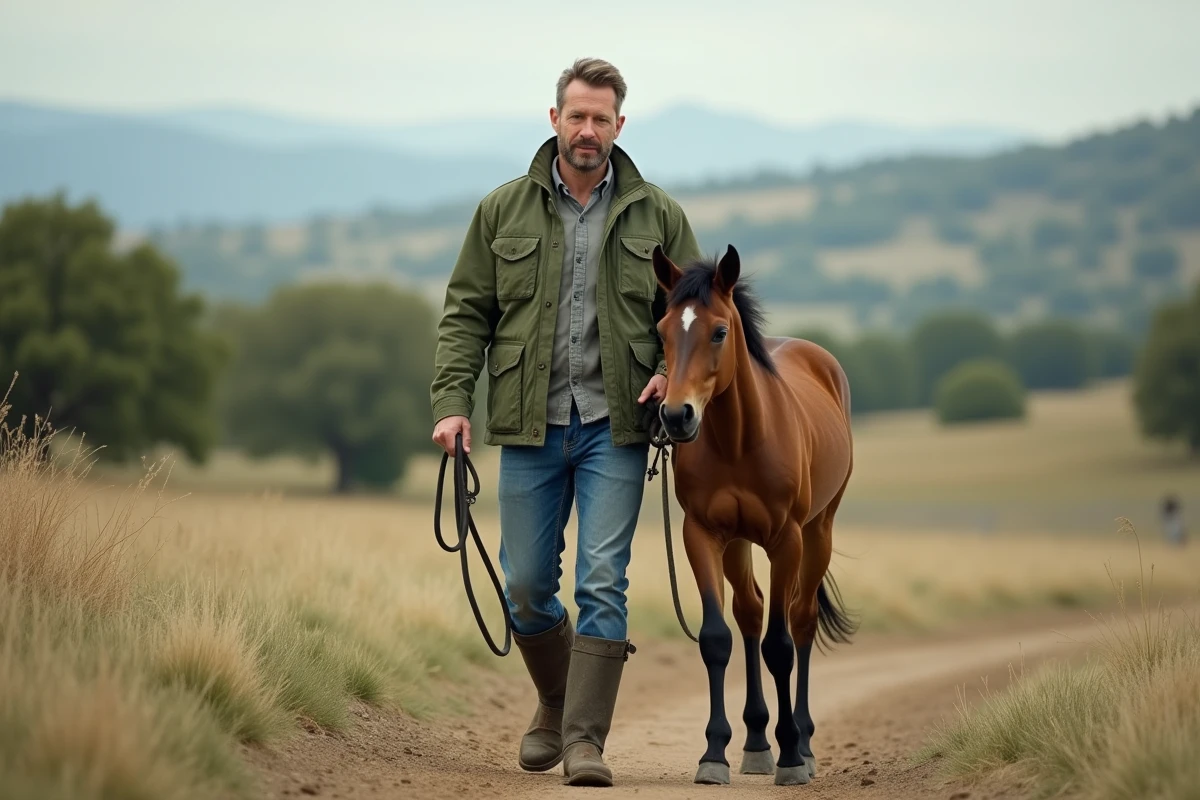
Activities in agricultural settings produce effects on mental health that are distinct from a simple nature walk. A systematic review published in the International Journal of Environmental Research and Public Health in September 2023, titled “Care Farming and Mental Health Outcomes: A Systematic Review,” documents this. Contact with agricultural life (livestock, ongoing crops, worked soils) adds a sensory dimension absent from traditional hiking trails.
Wooded path walks on farms combine two aspects. The first is physical: walking on varied terrain, sometimes in underbrush, sometimes along the edge of meadows. The second is cognitive: reading the agricultural landscape, recognizing planted species, understanding visible crop rotations.
For families, this type of walk advantageously replaces standardized amusement parks. The child observes a real biological cycle, not a recreation. We recommend prioritizing farms that include a time for exchange with the farmer at the end of the tour, as this is where the educational dimension gains its value.
Outdoor Activities on Farms: Criteria for Choosing a Serious Operation
Not all farms open to the public are equal. The regulatory framework resulting from the Climate and Resilience Law imposes specific obligations on farms that receive visitors, particularly regarding safety and supervision. Here are the points to check before booking an outdoor agricultural activity:
- The farm has civil liability insurance covering public reception, distinct from standard agricultural insurance. Request proof.
- Participatory workshops (planting, harvesting, animal care) are supervised by a trained professional, not just a volunteer or intern.
- The path is marked and maintained: cleared trails, fences in good condition around livestock areas, secured water points if the farm offers activities around ponds or rivers.
- The farm communicates clearly about the seasonality of its activities. A farm that offers the same workshops year-round does not reflect the reality of agricultural cycles.
Seasonality is an indicator of seriousness. A farm that adapts its offerings to the cultural calendar (spring planting, summer haymaking, autumn grape harvesting or harvesting) provides an authentic experience.
Biking, Golf, and Nature Adventure: Combining Sports Leisure with Agricultural Discovery
Some farms have integrated sports activities into their offerings. Biking on agricultural paths is rapidly developing, particularly in the Loire valleys and in bocage areas where municipal roads cross fields. These routes offer an advantage that greenways do not have: direct visual contact with crops and ongoing practices.
Rural golf, still marginal, appears on a few estates that have sufficiently large meadows. The principle is simple: a temporary course marked out on rotating pastures, moved according to the seasons. The maintenance of the green is ensured by the grazing itself.
Adventure courses in wood (zip lines, monkey bridges) installed in hedgerows or farm groves represent another hybridization. Unlike forest adventure parks, these installations are sized for small family groups and are integrated into a broader agricultural discovery circuit.
Outdoor Laser Tag and Agricultural Treasure Hunts
Outdoor laser tag adapted to the farming context is gaining ground. Fallow fields or fallow zones serve as playgrounds, with a double benefit: entertainment for the public and valorization of temporarily unproductive areas. Agricultural-themed treasure hunts (plant recognition, tracking animal tracks, aerial photo orientation) work particularly well with school groups.
Île-de-France, Loire, Normandy: Regions Where the Offer is Structuring
Peri-urban areas concentrate the majority of initiatives. The proximity to a dense population basin remains the primary factor for economic viability for a farm that opens its doors to leisure activities. Farms located less than an hour’s drive from an urban area attract a regular weekend audience, not just occasional visitors.
Bocage territories (Normandy, Pays de la Loire, certain sectors of the Massif Central) have a structural advantage: the network of hedges, sunken paths, and small plots naturally creates varied routes without heavy development. Large-scale cereal farms, on the other hand, must invest more to offer attractive circuits.
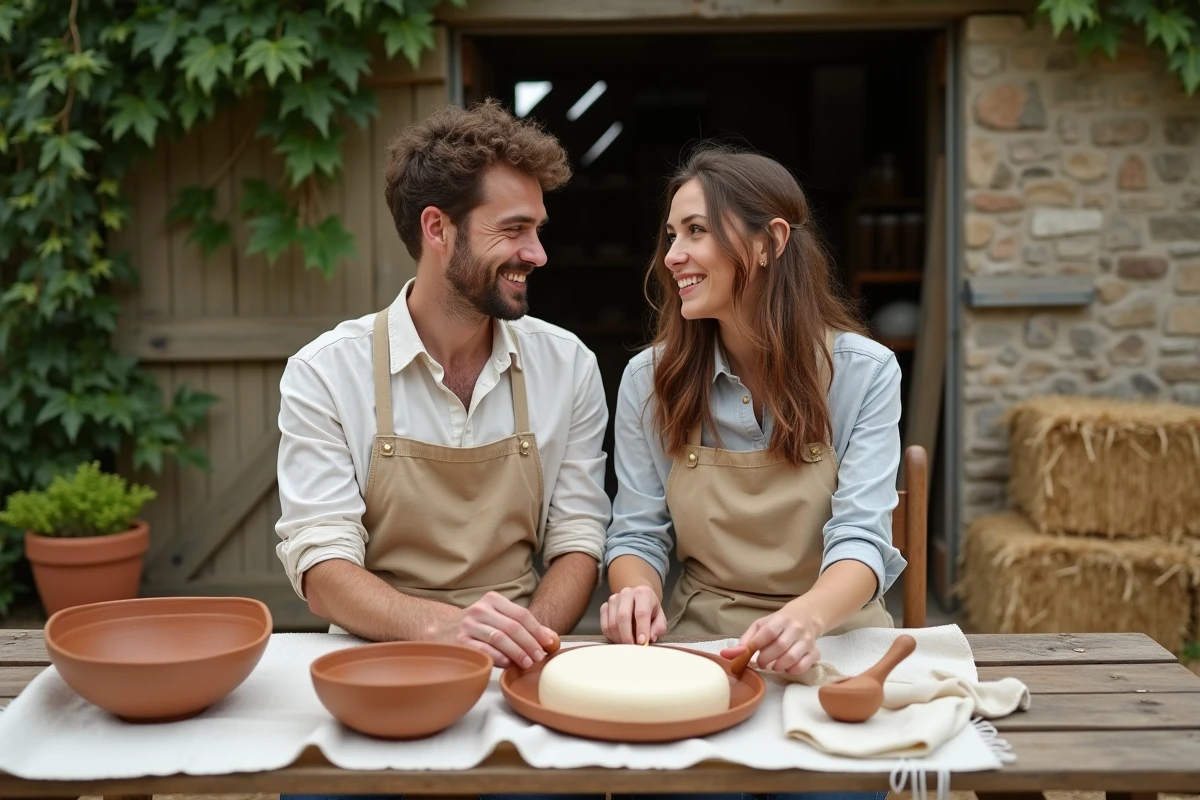
The offer is also structuring around networks of farms that pool their communication and ticketing. This cooperative model allows modest farms to offer a complete day by combining several neighboring sites: a forest walk in the morning, a cheese workshop at noon, an adventure course in the afternoon.
The sector remains young. The farms that succeed are those that treat hosting as a full-fledged professional activity, with an economic model distinct from their main agricultural production.